
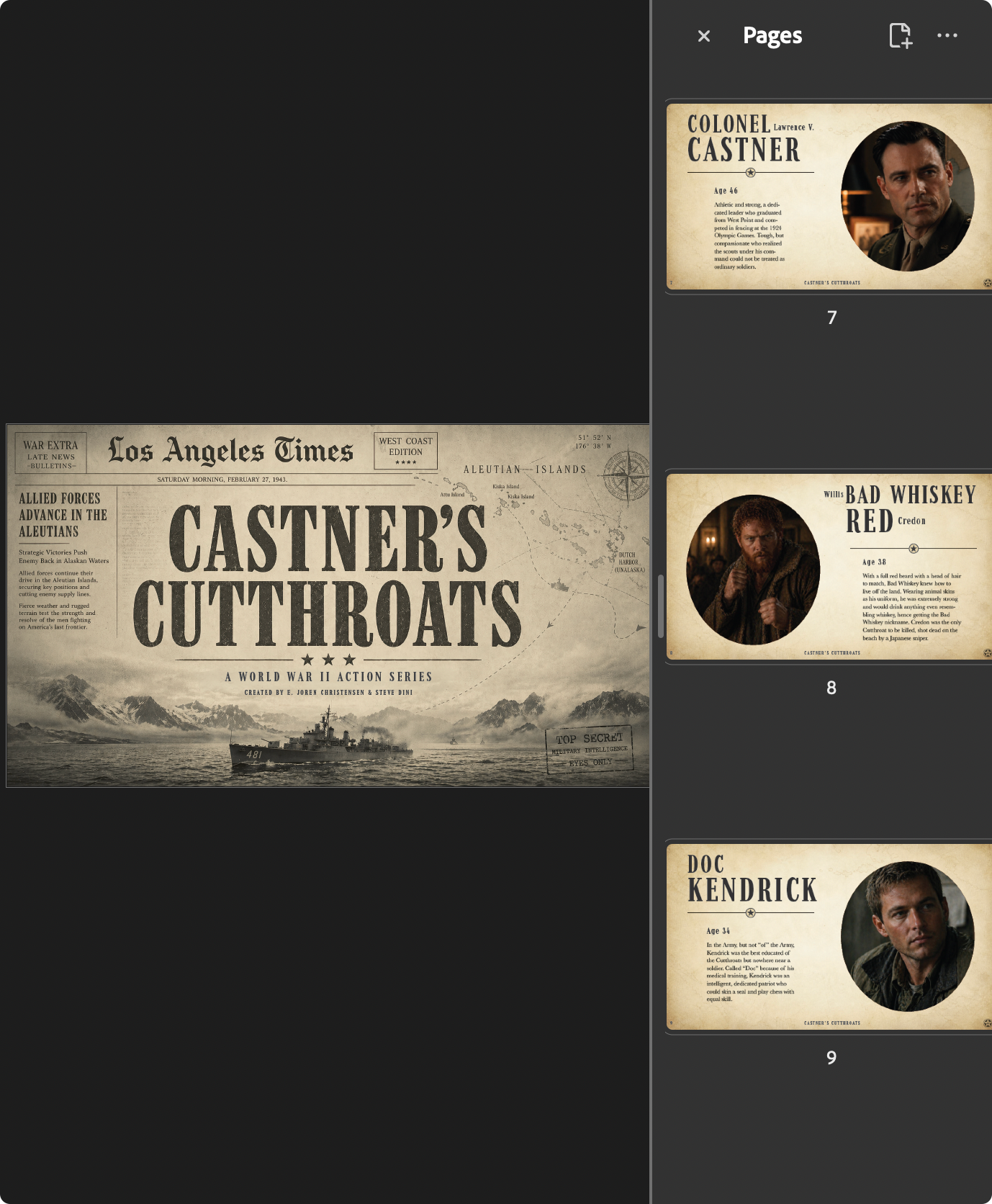
A film pitch deck is a short, designed document — usually 15 to 30 pages — that communicates the story, tone, and business of a film to investors, producers, and financiers. It is the bridge between a screenplay and a financed picture, and it is almost always the first impression a project makes.
A good deck does three things at once: it makes a reader believe the story is inevitable, makes them believe the team can deliver it, and makes the financial ask easy to say yes to. The eight sections below walk through what each part of the deck needs to do — and the mistakes that quietly kill otherwise strong projects.

★ The Eight Sections
What every pitch deck needs.
01
Logline & one-sentence hook
Open with a single sentence that names the protagonist, the world, the conflict, and the stakes. If a financier can't repeat your story back to a partner in one breath, the deck is already working against you. Spend more time here than feels reasonable — every other slide either supports the logline or distracts from it.
02
Synopsis & story arc
Follow the logline with a two-to-three paragraph synopsis that moves cleanly from setup to inciting incident to climax. Don't hide the ending — investors aren't paying for surprise, they're paying for clarity. A short, well-shaped arc tells them you know what film you're making.
03
Tone, genre & comparable films
Name the genre plainly, then anchor tone with two or three comparable films — ideally ones with known box office or festival pedigree. Comps aren't about copying; they're a shared vocabulary that lets a reader picture the audience, the marketing, and the financial ceiling.
04
Visual identity (mood, palette, references)
This is where most decks earn or lose belief. Build a mood board that establishes light, palette, texture, and aspect ratio. Use stills, references, and original concept art when you can. The goal is to make a reader feel the film before they read another word — that emotional reaction is what carries the project into a financing conversation.
05
Character breakdowns
One page or spread per principal character. Include a portrait or visual reference, a short bio, the arc in two sentences, and the type of actor you're imagining (not necessarily a specific name). Casting wishlists belong in conversation, not on the page — but the casting bracket should be unmistakable.
06
Director's vision & approach
A short statement from the director: why this story, why now, and how it will be shot. Reference specific scenes if it helps. This is the slide that separates a project from a pile of similar coverage — point of view is the single most fundable thing in independent film.
07
Team, attachments & credits
Producer, director, writer, key department heads, and any cast or executive producer attachments. Lead with credits investors recognize. If you're earlier in your career, lead with momentum — labs, awards, prior shorts, festival selections, or development support.
08
Budget, market & the ask
State the budget, the financing structure (equity, tax credits, soft money, gap), and exactly what you're asking the reader for. Pair it with a sober market view: comparable films, audience, distribution path. The ask should be specific — a number, a role, and a timeline. Vague asks get vague answers.
★ Common Mistakes
What quietly kills a deck.
- Burying the logline behind three slides of mood imagery.
- Comping films from a different budget tier than the one you're raising.
- Treating the deck as a screenplay summary instead of an investor document.
- Stock photos doing the work of real concept art or photography.
- Skipping the ask, or hiding the budget in a footnote.
- A 60-page deck. Tight is fundable; bloated is not.